Choosing the right deep well pump is less about chasing the latest model and more about matching the pump’s design to the quirks of the soil, the water table, and the way a household uses water. In the field, I’ve watched homeowners wrestle with low pressure, noisy pumps, and odd surges, only to discover that a simple mismatch between well type and pump type was at the heart of the problem. Goulds, a brand with a long history in practical pumping, remains a reliable workhorse for many well owners. The question is not whether Goulds makes good gear, but which Goulds deep well pump best serves your well type and your usage profile. Below, I’ll walk through how to evaluate well types, how to translate those realities into a pump choice, and what practical decisions tend to pay off in the long run.
The well is the starting line. A pump that thrives in one circumstance can feel hamstrung in another. A shallow static water level, a deep drawdown, a sandy aquifer, a hard rock formation, variable flows, or a well with occasional drops in supply all shape the kind of pump that will perform consistently. Goulds produces a broad range of deep well submersible pumps, including multistage vertical designs and horizontal configurations, intended for varying depths, flows, and pressure requirements. The challenge is to connect the dots between your well’s characteristics and the pump’s features without overfitting to the latest online review or a salesperson’s favorite model.
First, map your well. Knowing the depth to water and the static water level is essential. If your well produces a steady yield, you may have more flexibility. If the water level fluctuates with seasons, or if running pumps at certain depths causes abrupt pressure changes, you need a unit that tolerates cycling and can deliver stable pressure under variable load. In real-world terms, the exact numbers matter. If your well is 150 feet deep with a 50-foot drawdown, and you typically draw 8 gallons per minute with a household of four, you’re not looking for a pump that maxes out at 12 gpm. You’re looking for something that can sustain an average of around 6 to 8 gpm with a buffer for peaks during showers and lawn irrigation.
The right Goulds deep well pump is often determined by three core factors: depth of the well, desired flow rate, and the static efficiency of the system. The pump must reach down to the water and still deliver pressure at the faucet. It is not enough for a unit to pump water if the well pump service near me pressure drop from the well to the house strips away the convenience you are paying for. In my experience, the best outcomes come when you pair a pump model with a pressure switch and a tank that are sized to match the expected drawdown. A mismatched system creates cycling that wears seals, increases electrical load, and makes the system feel like it is always on the verge of failing.
One of the most common missteps I see is choosing a pump based solely on horsepower or on the largest model in the price range. A larger pump may deliver more water, but if your well only yields 6 gpm, pushing a 15 gpm unit can lead to wasted energy, unnecessary startup wear, and a noisier system. Conversely, a pump that's too small will run constantly, overheat, and fail to deliver comfortable pressure during peak demand. The sweet spot lies in the intersection of your well’s capacity, your home’s needs, and a sensible safety margin that protects the hardware.
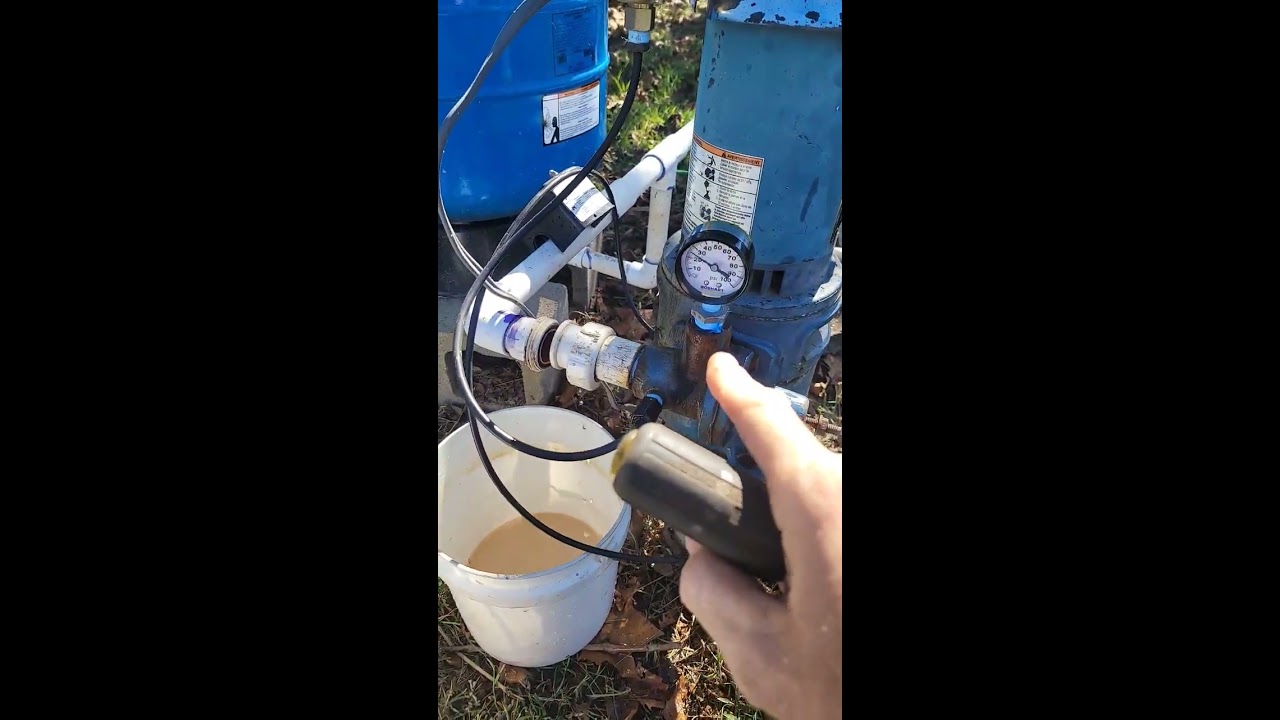
Goulds deep well pumps come in several configurations that matter to the decision process. A lot hinges on whether you’re dealing with a single motor shaft feeding a multistage impeller array, or a more compact unit designed for shallower depths. In practical terms, multistage vertical pumps tend to perform well in deeper wells because they can generate higher discharge heads without needing enormous motor power. When a well is deep, the pressure at the top of the drop is more a function of the total head the pump must overcome than the raw horsepower. In shallower scenarios, a simpler, less expensive design with fewer stages can deliver sufficient pressure without sacrificing reliability.
Let me translate that into real-life guidance for common well types and the Goulds models that typically fit them:
Hunting for a standard home well with a moderately deep water table and steady yield
- The common family well, often around 100 to 250 feet deep, with a static water level close to the ground and moderate drawdown, fits well with a mid-range Goulds multistage deep well pump. In these cases you aren’t chasing the last ounce of head; you want consistent pressure, reliable startup, and a pump that won’t scream at your irrigation peak. A 1 or 1.5 horsepower unit is a frequent choice, paired with a correct pressure switch and a properly sized storage tank. The aim is a comfortable 40 to 60 psi at the faucet with a peak around 60 to 70 psi for larger homes or when you run a sprinkler system.
Deep wells with a deeper water table and higher drawdown
- When the static water level sits well below 100 feet and the drawdown lengthens as water is drawn down, it makes sense to lean on multistage vertical pumps designed for deeper installations. The head pressure grows, but a properly matched Goulds pump can maintain consistent flow. In this scenario a 2 horsepower unit may be appropriate, especially if you want to support irrigation or a larger home. The mismatch to avoid here: a pump that is too small for the total head you’re asking it to push. The cost of under-sizing becomes obvious in how the system feels during peak demand — the pressure dips, the pump cycles more, and the family notices the difference.
Wells that yield a lot of water in bursts but have periods of low yield
- With wells that surge and then quiet down, a pump that can handle a range without overloading is valuable. A Goulds model with robust reliability and flexible operation, paired with a storage tank designed to buffer short-term surges, often performs best. The storage tank acts as a buffer that smooths out frequent fluctuations and protects the pump from short cycling. In practice this means a modestly sized tank, a pressure switch that tolerates cycles, and a pump that maintains good behavior under partial load.
Wells affected by sand or mineral content

- If the well water carries sand or heavy mineral load, the design of the impeller and the sealing system matters. Goulds has features that resist wear and handle abrasive water more gracefully. In such cases, additional filtration before the pump becomes a smart investment. A micro-filtration or screen near the wellhead can extend the life of the seals and impellers, particularly when a well spits sand or small rock into the intake on a regular basis. In the field, I’ve seen homes that installed a simple sediment filter right above the well cap and paired it with a robust cast-iron casing pump, which reduced maintenance intervals and lowered the incidence of premature wear.
Water quality is a quiet but constant factor. Hard water can lead to scale on intake screens and inside the piping if circulation is poor or if high mineral content exists. The right Goulds unit, a properly sized filtration plan, and a routine maintenance schedule together determine whether a home enjoys trouble-free water or a series of nagging issues.
The practical steps I use when guiding a homeowner through a selection are simple, repeatable, and grounded in field experience.
1) Confirm the water level and yield. If the well company is on site, request a report with the depth to water and drawdown measurements over time. If you have a test well, perform a short run test by turning on the pump and watching the pressure gauge. A typical residential target is to see a pump delivering a steady 40 to 60 psi with a 50 to 60 psi cutoff for many standard homes.
2) Estimate your daily draw. How many gallons do you use in the busiest day of the year, and what is the peak hour demand? A family of four home for most of the day might need around 5 to 8 gallons per minute during early morning and evening peak plus a cushion for irrigation on hot days.
3) Plan for the future. If you expect a larger household or a sprinkler system, a little extra capacity now will save you from an upgrade later.
4) Balance cost with reliability. The fit between your pocketbook and your water reliability matters. In general, the cost of a better-matched system up front saves you from expensive repairs and replacements later. Think of it as an investment in long-term comfort rather than a short-term fix for a problem you don’t yet know you have.
5) Build a simple maintenance plan. A few hours twice a year to inspect the pressure switch, the tank, and the intake can extend the life of the pump substantially. The plan is to listen for strange noises, watch the pressure gauge for unusual cycling patterns, and measure the well flow when you can.
In many of these cases, your choice is between a few Goulds options. You might be deciding between a 1 HP or 1.5 HP unit for a moderate depth well with a decent yield, or moving to a 2 HP unit for deeper wells or higher demand. The exact model numbers will vary by region and by the availability at the time you shop, but the underlying logic remains consistent: match the head and flow to the well, ensure the system can handle peak demand, and incorporate a buffer that reduces cycling and wear.
The installation and setup phase deserves attention as well. The pump is only one half of the system. The other half is the installation that ensures the pump is protected and the water delivery is consistent. A few practical details matter here:
- Use a properly sized check valve to prevent backflow that could damage the pump when the well is not running. A backflow issue is one of those quiet griefs that mimic a bigger problem. Ensure that the sealings are intact and that the electrical wiring is rated for outdoor use if you are running the system from a weather-exposed path. The electrical side is not glamorous, but a sloppy setup will come back to haunt you in the middle of the night with a trip circuit or a pump that won’t start. Add a pressure tank with a precharge near the system’s design point. A well-chosen tank minimizes short cycling and helps reduce wear on the pressure switch. In practical terms, this can be the difference between a system that hums along for years and one that requires frequent service. Consider filtration or water treatment if you expect mineral or sediment issues. Sediment in particular can cause abrasive wear in moving parts and clog channels that the impeller relies on to transition water from the well to the home. A pre-filter near the wellhead or a whole-house filtration system can extend the life of the pump and piping. Choose a reputable installer. A good installer will not just slap the pump in and call it a day. They will verify clearances, test the flow, check for leaks, and run a final check on the system’s performance before signing off.
I am frequently asked about the best deep well pumps and where to buy Goulds deep well pumps. The short answer is that you should work with a reputable local supplier who understands your region’s groundwater conditions and the typical well depths. Look for a supplier who can provide model recommendations with the caveat that your local well is a unique piece of infrastructure that may require adjustments. The old truth remains: the best purchase is the one that gives you reliable performance year after year, with the pressures you expect and the minimal maintenance burden.
Let me share a couple of real-world anecdotes to illustrate the point.
A small farm with a deep well and a seasonal drawdown
- The well produced well when water was abundant, but during dry spells, the water level receded substantially. The family initially used a high head, high horsepower pump that delivered robust volumes when the well was wet, but the unit tended to stall when the water table dropped. After switching to a Goulds multistage pump designed for deeper water levels, and pairing it with a larger pressure tank and an optimized switch, the farm saw a noticeable improvement in pressure during irrigation days. The system no longer hammered on start, and the water flow stayed steady longer into the day.
A suburban property with fluctuating demand
- A homeowner with a daytime office and irregular irrigation called me in after the water pressure dropped during morning showers. The system had a modest storage tank and a pump that was simply undersized for the peak demand. We upgraded to a Goulds 1.5 HP model with a slightly larger tank and a more responsive pressure switch. The result was a much more stable pressure throughout the day. The family no longer noticed the hum of the pump, and the bathrooms never ran short on hot water.
A water-quality challenge that tested a pump’s endurance
- A well with noticeable mineral content and sandy sediment required not only a well-chosen pump, but also a filtration plan. The solution was a low-maintenance filter placed at the wellhead, combined with a Goulds pump known for solid seals and reliability. Over the course of a year, the owner reported fewer maintenance visits and consistent water pressure, a clear win over the prior setup.
From the perspective of a homeowner who wants to buy near me or find where to buy Goulds deep well pumps, there are two practical checks to keep in mind. First, look for a supplier who stocks multiple Goulds models and has technicians on hand who understand well installation in your area. This connection helps with accurate sizing and with coordinating any needed filters or tanks. Second, verify that the supplier offers support after sale. Pumps are built to last, but real-world usage often reveals small issues that are easier to address when you have a responsive service team nearby.
A brief note on two useful lists that can help you think through the decision more quickly, without losing the nuance of the discussion:
- Essential buyer’s checklist for Goulds deep well pumps 1) Confirm well depth and drawdown with a credible report 2) Estimate daily water usage and peak demand 3) Ensure the head and flow match the home’s needs 4) Plan for a buffer with a pressure tank and a proper switch 5) Include a filtration plan if the well water contains sediment or minerals Quick comparison approach for common scenarios 1) Moderate depth well with steady yield: 1 HP to 1.5 HP multistage Goulds pump, standard storage tank 2) Deep well, high demand or irrigation: 2 HP multistage Goulds pump with larger tank and tuned switch 3) Water with sediment or mineral content: add pre-filtration and consider a wear-resistant impeller option 4) Variable yield well: add buffering storage and a pump with robust cycling tolerance 5) Budget-conscious upgrade: optimize rather than overbuild, ensuring head and flow match the needs
The take-away is straightforward: match the pump to the well, not the rumor you heard online or the horsepower figure that sounds impressive. Goulds deep well pumps are designed to be reliable, but the reliability you experience depends on how well you align the unit with your well’s behavior and your household’s needs. I have supervised installs where the simplest pairing—modest horsepower, a standard pressure tank, and a properly set pressure switch—delivered a long stretch of quiet operation with excellent water pressure. I have also overseen more complex installs where deeper wells and higher demand justified a more robust Goulds multistage configuration with a dedicated filtration plan and a larger storage tank. In every case, the core principle held: plan for the actual head the system must overcome, not the head you wish it could overcome, and build a buffer that helps the pump live a long, productive life.
Beyond the technical details, there is a practical truth about well systems that sometimes gets overlooked: water is not just about quantity. It is about consistency, reliability, and the sense that the water will be there when you need it. A family should not have to schedule their day around the water flow, and a home should not endure the daily ritual of waiting for the pressure to rise. The right Goulds deep well pump, chosen with an eye toward the well type and the household’s actual demand, helps restore that natural rhythm of daily life. It makes the water supply predictable, not a gamble.
In the end, the decision comes down to clarity and patience. Clarity about your well’s true capacity and your family’s needs, and patience to find a model that aligns with those factors rather than a flashy feature list. It is a game of inches as much as it is a game of horsepower. The well knows — and the pump should listen. With Goulds, you have a reliable framework to translate field realities into a system that serves your home without drama.
If you are at the stage of starting the conversation with a local plumber or a supplier, bring your well reports, your usage patterns, and your plans for the next several years. The best professionals will not push you toward the most expensive option, but toward the option that gives you stability and value. A well-chosen Goulds unit can be the backbone of a trouble-free water system for a long time, especially when you couple it with thoughtful installation, careful sizing, and a plan for ongoing maintenance.
In the final analysis, the question is not simply which Goulds pump is best, but which Goulds pump, in combination with your well, will deliver consistent, reliable water with the least stress on the system. When you approach the decision with that mindset, you’ll find the answers emerge clearly enough — and you’ll enjoy a home water supply that truly meets the moment.